How Often Should You Replace Pads on a Saxophone?
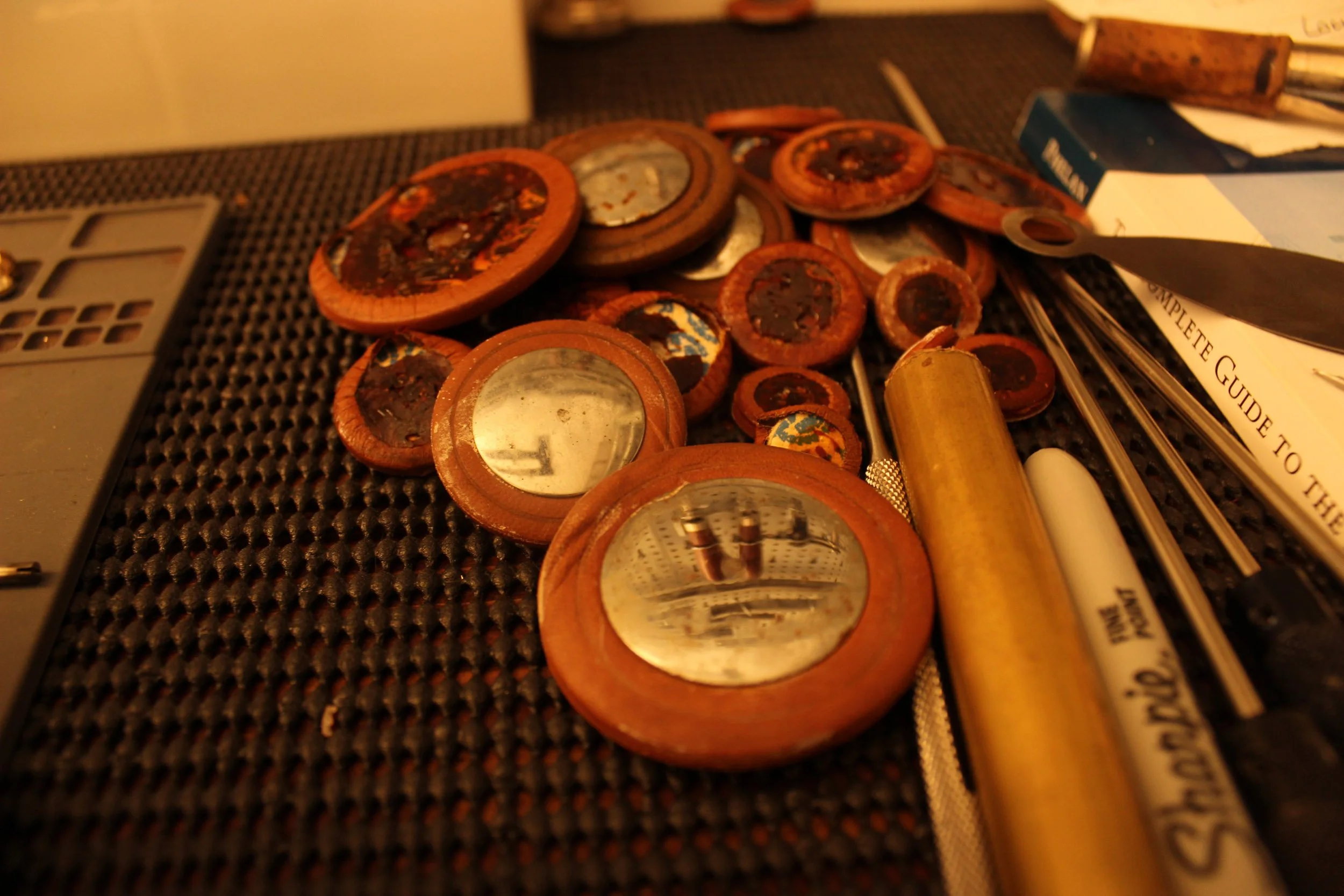
Saxophone pads are essential for creating an airtight seal — without them, notes leak, tone weakens and the instrument becomes harder to control. At Woodwind London, we see many saxophones where worn pads are the cause of poor response, squeaks or tuning issues. But how often should pads actually be replaced?
The answer depends on how often you play, how well the instrument is maintained, and even the environment you store it in. Here’s a clear guide.
1. Typical pad lifespan: 3–6 years
Most saxophone pads last 3–6 years, though some last longer if the instrument is well cared for. High-quality professional pads may last even more, but student pads wear out faster due to softer materials and less precise sealing.
2. Heavy players may need pad work sooner
If you play daily — especially intermediate or advanced students — expect to replace individual pads more frequently. Moisture, pressure, and frequent key use cause natural wear.
Common pads replaced early:
G# pad
Low C and Low B pads
Palm keys
3. Signs your sax pads need replacing
You may need pad replacement if you notice:
Notes feel “stuffy” or don’t speak immediately
A hissing sound (air leak)
Your tone has become dull
Lower notes are unreliable
Keys feel sluggish or sticky
Visible wear, dark spots or torn pad surfaces
Even a single leaking pad can affect every register of the instrument.
4. Full repad vs individual pad replacement
Most players don’t need a full repad unless:
The sax is older
Pads are uniformly worn
The instrument has been stored unused for years
Replacing individual pads as needed is normal and cost-effective.
5. Professional assessment at Woodwind London
If you’re unsure, bring your saxophone to our Muswell Hill workshop. We offer pad checks, leak testing, individual pad replacements, and full servicing for alto, tenor, soprano and baritone saxophones.