Why Are My Flute Keys Sticking? Causes & Fixes for Players in North London
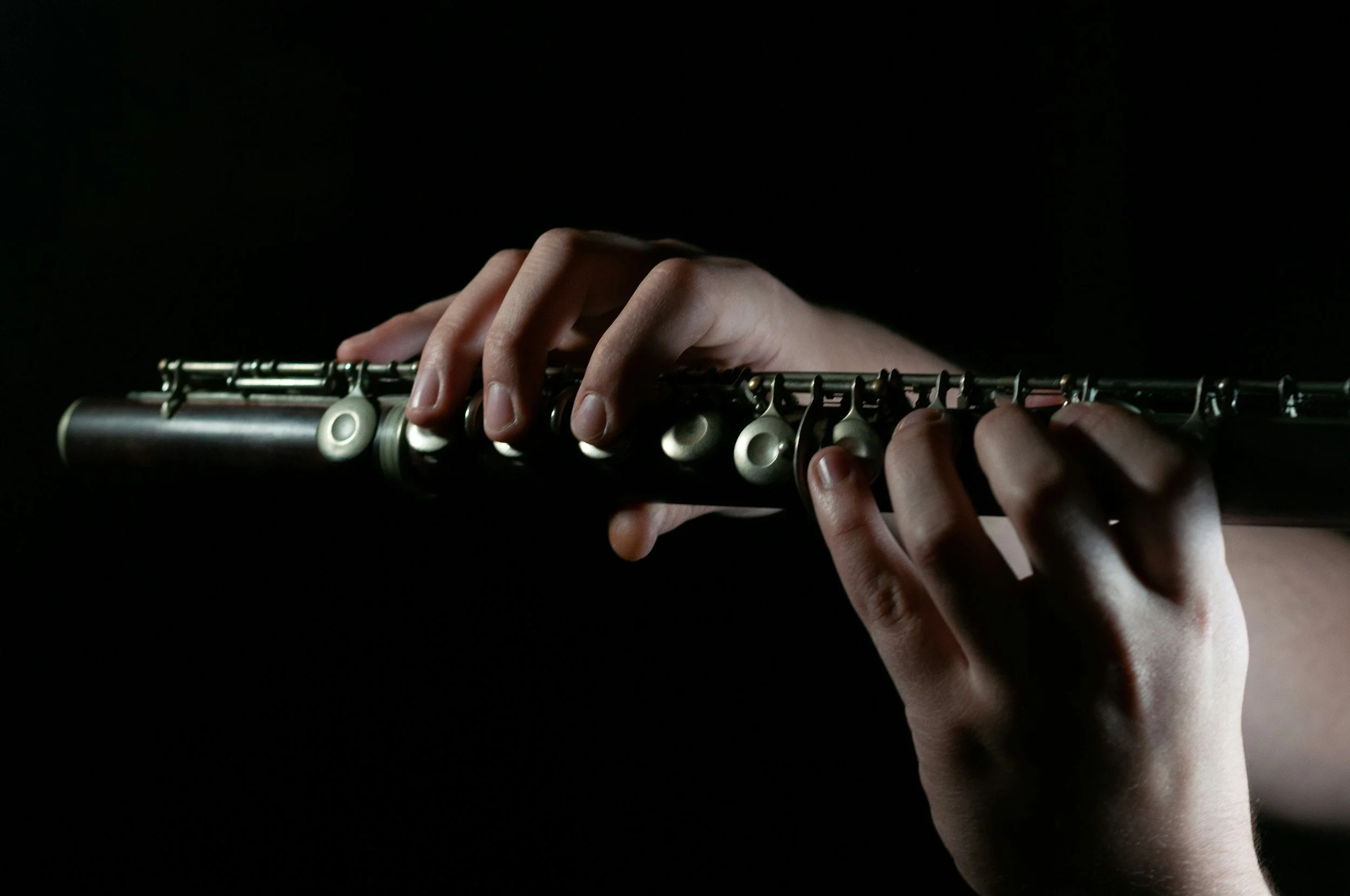
Sticking flute keys are one of the most common problems for both beginners and experienced players. At Woodwind London, we see this issue daily in the workshop — especially on student flutes, rental instruments and older models where pads have become softer over time. Sticking keys can make your flute feel slow, unresponsive and noisy, and in some cases they can even affect tuning.
Here are the most likely reasons your flute keys are sticking — and what to do about it.
1. Moisture on the pads
The number-one cause of sticking keys is condensation collecting on the pads. As you play, warm air moves through the flute and moisture settles on the surface of the pads. When they close onto the tone holes, they can “suction” slightly and stick.
Quick fix:
Place a thin piece of cigarette paper (no adhesive!) under the pad, close the key gently, and pull the paper out. This removes moisture safely.
2. Dirt, sugar or residue
If you’ve eaten, drunk something sweet, or applied lip balm before playing, tiny particles can transfer to the keys and pads. Even a trace of sugar can make pads tacky.
Fix:
A technician can clean the pad seats and remove residue without damaging the surface.
3. Worn or swollen pads
Pads naturally absorb moisture over time. Swollen or ageing pads become softer and more prone to sticking.
Fix:
Your flute may need pad adjustment, reseating or replacement.
4. Misaligned key mechanisms
If the keywork is out of balance or a spring is weak, a key may not lift quickly enough, giving the impression of “sticking.”
Fix:
A professional adjustment will restore proper tension and alignment.
When to visit a technician
If sticking persists even after drying the pads, bring your flute to Woodwind London. We offer quick pad checks, professional cleaning, pad reseating, and full servicing for both student and professional flutes.