How Is It Possible to Fix a Broken Saxophone Reed?
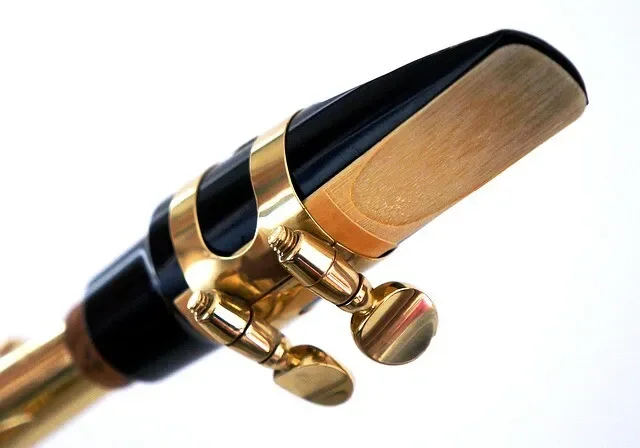
A broken saxophone reed can feel like a disaster — especially when it happens just before a rehearsal or performance. The good news is that some reed problems can be fixed temporarily, while others mean it’s time to replace the reed altogether. At Woodwind London, we’re often asked whether a damaged reed can be saved, so here’s a clear guide.
1. First: what kind of “break” is it?
Not all reed damage is the same.
Can sometimes be fixed:
Slightly chipped corners
Warped reeds
Reeds that feel unresponsive but aren’t cracked
Cannot be fixed:
Cracks running down the reed
Large chips in the tip
Splits along the grain
If the reed is cracked, it’s finished — no repair will make it reliable again.
2. Fixing a warped reed
Warping is common and often fixable.
Try this:
Soak the reed briefly in water
Place it flat, tip down, on a glass surface
Let it dry completely
This can restore flatness and improve response.
3. Minor tip damage
If only a tiny corner chip is present, you may be able to improve playability by:
Gently smoothing the tip with very fine reed paper (600–1000 grit)
Removing as little material as possible
This won’t restore the reed fully, but it can make it usable in an emergency.
4. When fixing a reed makes things worse
Over-sanding shortens reed life and alters strength. If the reed squeaks, feels unstable, or plays inconsistently after adjustment, stop using it.
5. Prevention is better than repair
To avoid broken reeds:
Rotate multiple reeds
Use a proper reed case
Avoid leaving reeds on the mouthpiece
Handle the tip carefully
Synthetic reeds last much longer, but cane reeds still offer the richest tone.
Need reed advice?
Woodwind London can help you choose the right reed strength, diagnose setup issues, and decide whether reed problems are technique- or instrument-related.