Can woodwind instruments be tuned?
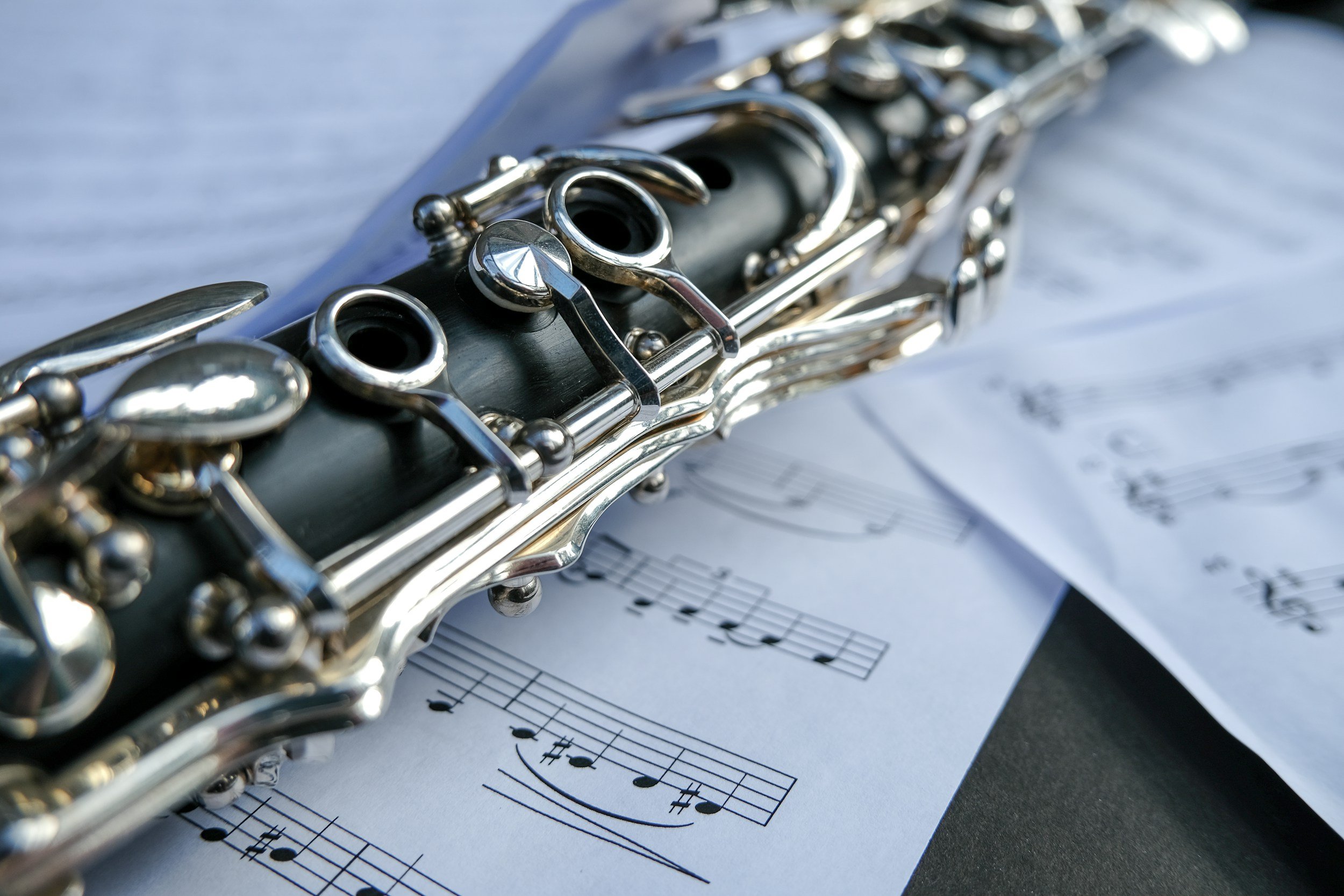
Woodwind instruments can be tuned — but not in quite the same way as guitars or pianos. Unlike fixed-pitch instruments, tuning on woodwinds is a combination of instrument setup, mechanical condition, and player technique. At Woodwind London, we’re often asked whether a clarinet, flute, saxophone or oboe can be “retuned,” especially when players struggle with intonation.
Here’s how tuning actually works for woodwind instruments.
1. Overall pitch can be adjusted
Most woodwinds are designed to play at concert pitch (A=440Hz), but small adjustments are possible:
Flute & saxophone: pushing the headjoint or neck in or out changes overall pitch
Clarinet & oboe: barrel or reed adjustments help fine-tune pitch
If an instrument consistently plays sharp or flat, a technician can help identify why.
2. Individual notes cannot be “dialled in”
Woodwind tuning isn’t adjustable note-by-note like a piano. Instead, tuning depends on:
Pad sealing
Key height regulation
Bore condition
Mouthpiece and reed choice
Leaks or worn pads often cause certain notes to play sharp or flat.
3. Mechanical condition affects tuning
Poor maintenance is one of the biggest causes of tuning problems. Common issues include:
Leaking pads
Misaligned keywork
Worn corks or felts
Dirty tone holes
A full service often improves tuning dramatically without changing the instrument’s design.
4. Mouthpiece and reed choice matter
Different mouthpieces and reeds can significantly alter pitch and intonation tendencies. A setup that works for one player may not suit another.
5. Player technique still plays a role
Embouchure, air speed and voicing affect tuning — but if you’re constantly fighting pitch, the instrument likely needs attention.
Tuning support at Woodwind London
At our Muswell Hill workshop, we assess tuning issues as part of servicing, setup checks and repairs, ensuring your instrument plays in tune with less effort.