Can You Tune Brass Instruments?
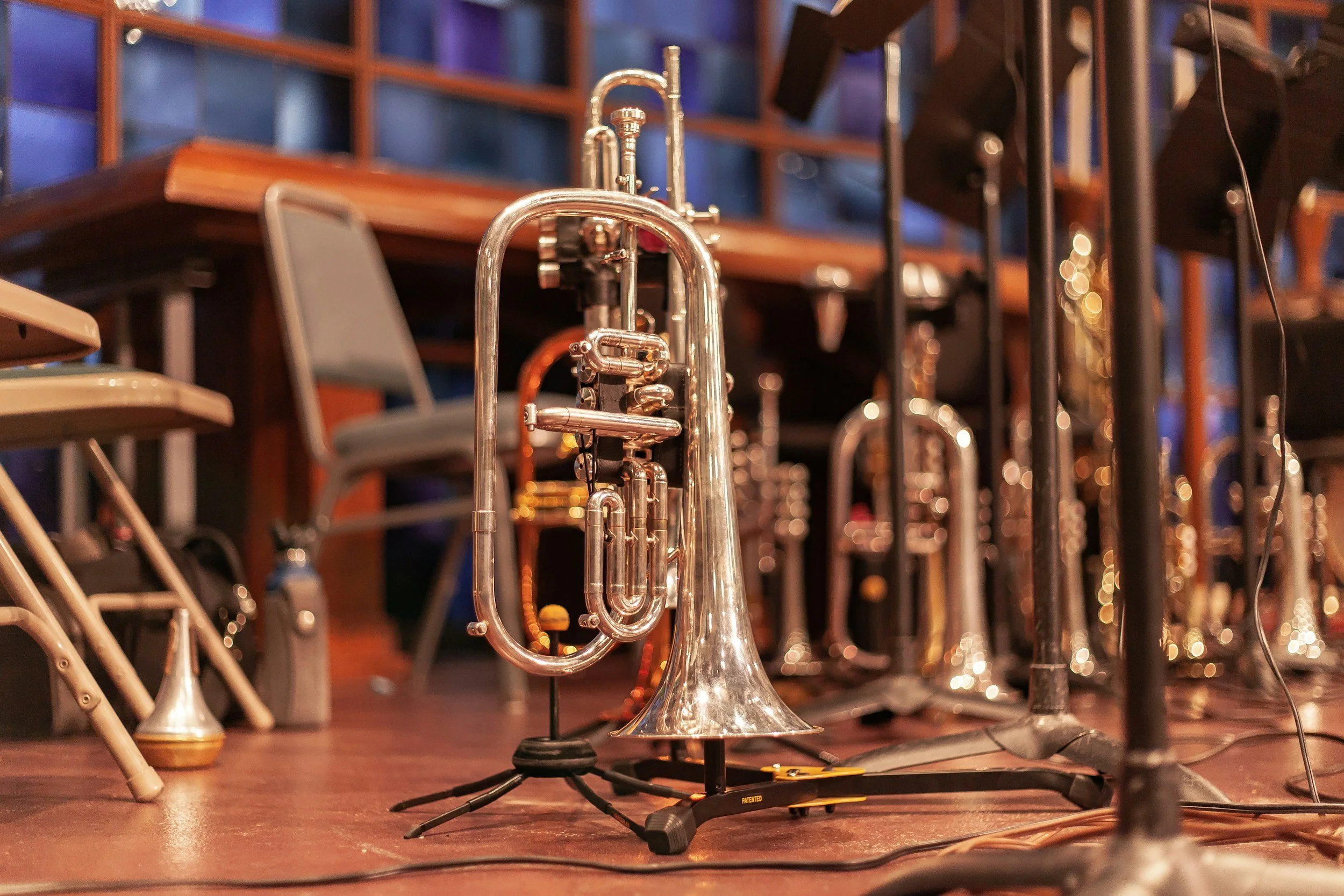
Yes — brass instruments can be tuned, and in many cases they are more mechanically adjustable than woodwinds. Trumpets, trombones, horns and tubas are all designed with tuning systems that allow players and technicians to adjust overall pitch and improve intonation. At Woodwind London, tuning issues are a common reason brass players bring their instruments in for servicing.
Here’s how brass instrument tuning actually works.
1. The tuning slide controls overall pitch
All brass instruments use a main tuning slide to adjust pitch:
Pulling the slide out lowers the pitch
Pushing the slide in raises the pitch
This allows the instrument to match concert pitch (usually A=440Hz) and adapt to temperature changes, which affect brass more than most players realise.
2. Valves and slides affect tuning accuracy
On valved brass instruments, worn valve alignment or sticky slides can cause notes to play sharp or flat. Even if the main tuning slide is set correctly, poor valve alignment can throw off intonation across the instrument.
3. Mechanical condition matters
Tuning problems are often caused by:
Dirty or corroded slides
Valves not aligning properly
Dented tubing restricting airflow
Build-up inside the instrument
A professional clean and service often improves tuning immediately.
4. Individual notes still need player control
While brass instruments can be tuned mechanically, players still adjust pitch using:
Embouchure
Air speed
Alternate fingerings or slide positions
If you’re constantly fighting pitch, the instrument may need attention rather than more effort from you.
5. When to see a technician
If your brass instrument:
Won’t tune even with slide adjustment
Plays consistently sharp or flat
Feels resistant or uneven
…it’s time for a professional check.
Brass tuning support at Woodwind London
Our Muswell Hill workshop offers brass servicing, slide alignment, dent repair and internal cleaning to help instruments tune easily and consistently.