How to Remove Tarnish on a Brass Instrument
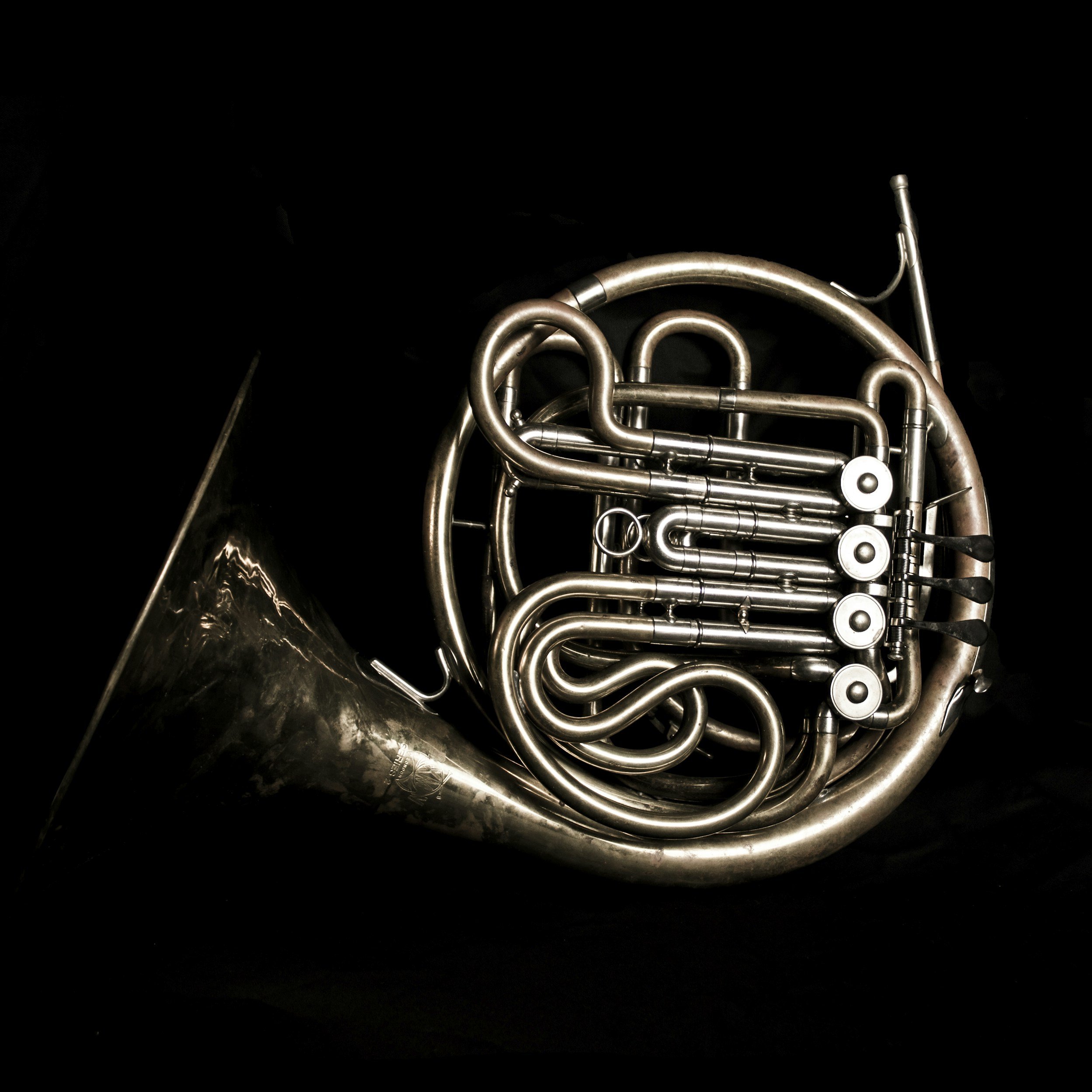
Tarnish is a normal part of owning a brass instrument. Over time, exposure to air, moisture and fingerprints causes the metal to darken and lose its shine. While light tarnish is mostly cosmetic, heavy or uneven tarnish can affect how the instrument feels to hold — and in some cases, hide deeper issues such as corrosion. At Woodwind London, we’re often asked what players can safely do at home, and when it’s best to see a technician.
Here’s a clear guide.
1. Understand what kind of finish you have
Before doing anything, check whether your instrument is:
Lacquered brass (most student and modern instruments)
Silver-plated
Raw/unlacquered brass
Using the wrong cleaning method can permanently damage the finish.
2. What you can safely do at home
For light tarnish or fingerprints:
Use a soft, dry microfibre cloth
Gently wipe after playing to remove moisture and oils
Avoid household cleaners, metal polish or abrasive cloths
For lacquered instruments, never use polish — it removes lacquer, not tarnish.
3. What NOT to do
Avoid:
Brasso or household metal polish (unless advised by a technician)
Abrasive pads or silver cloths on lacquer
DIY “internet hacks” (vinegar, baking soda, toothpaste)
Polishing near valves, slides or solder joints
These often cause more damage than the tarnish itself.
4. When professional cleaning is needed
Professional cleaning is recommended if:
Tarnish is heavy or uneven
The instrument looks dull even after wiping
Green or black corrosion appears
Slides or valves feel rough
The instrument is valuable or vintage
A technician can safely polish, clean internally and protect the finish.
5. Professional brass cleaning at Woodwind London
At our Muswell Hill workshop, we offer safe cosmetic cleaning and full brass servicing, always using methods appropriate to your instrument’s finish. We focus on restoring appearance without damaging playability or value.